As the global demand for pinpoint accurate location data keeps growing, the Mini Rtk Gps industry has really started to catch everyone's attention. People often talk about how versatile these tiny devices have become. Dr. Emily Carter from PrecisionNav Technologies, for example, shared that "Mini RTK GPS solutions are becoming pretty much essential for industries where precision isn’t just nice to have—it’s a must." Her observations are part of a bigger trend we've been seeing: how these small gadgets are getting better at combining size and accuracy, which big companies can definitely take advantage of.
These mini GPS units are honestly changing the game in geospatial tech. They pack a punch with their small size but hold really impressive precision, sort of bridging the gap between fancy, high-end gear and everyday use. Industries like farming, construction, and surveying are really feeling the benefits of these advancements. Still, it’s worth noting that not all brands are created equal — performance can vary quite a bit.
That said, it’s not all perfect. Some users have mentioned facing issues with connectivity and reliability, especially when working in remote or tough-to-reach places. So, while Mini RTK GPS systems offer serious convenience, they’re still a work in progress. If you’re thinking about getting one, it pays to shop around a bit and explore the latest options—finding the right fit for your specific needs can make all the difference.

Overview of Mini RTK GPS Technology and Its Importance
Mini RTK GPS technology has become essential in various fields. Its precision and compact size cater to industries like agriculture, surveying, and construction. This technology provides centimeter-level accuracy, crucial for tasks that require high reliability. The demand for compact, efficient GPS systems stems from the increasing need for accurate geographic data. Using Mini RTK GPS systems enhances productivity and reduces errors in fieldwork.
When selecting a Mini RTK GPS solution, consider the satellite signal quality. Buildings and trees can block signals, affecting accuracy. Check user reviews and demonstrations for real-world performance insights. Also, assess battery life. Some models may require frequent recharging, impacting productivity in remote areas.
For optimal usage, ensure you understand the device's software capabilities. Training for staff on equipment use is important. Poor training can lead to misinterpretations of data. It’s beneficial to run test cases before full deployment. This provides valuable feedback and identifies potential issues. Keeping an open line of communication with users can lead to improved practices over time.
Key Features to Consider in Mini RTK GPS Solutions
When looking for mini RTK GPS solutions, several key features deserve your attention. Precision is crucial in any GNSS application. A system should offer accuracy within centimeters. This capability significantly enhances tasks such as land surveying and agriculture. Also, consider the ease of use. A user-friendly interface can make a complex system accessible to various operators.
Battery life is another important factor in the selection process. A prolonged battery performance ensures reliable operation, especially in remote areas. Connectivity options are equally essential. Solutions should support multiple communication channels to ensure consistent data transmission.
Cost-effectiveness plays a role as well. Balance quality and price for your specific needs. While high-end solutions offer advanced features, mid-range products can still deliver satisfactory performance for many applications. Remember to explore the manufacturer’s reputation. Trustworthy brands typically provide better support and resources. In this rapidly evolving field, staying informed about emerging technologies can help enhance your procurement strategy.
Top Mini RTK GPS Solutions Comparison
Top Brands Offering Mini RTK GPS Solutions for Global Sourcing
As the demand for high-precision location services grows, mini RTK GPS solutions are gaining traction. These compact devices cater to various industries, from agriculture to construction. According to recent data, the global RTK GPS market is expected to reach $2.1 billion by 2025, with a CAGR of 11.9%. This growth highlights the importance of reliable positioning technology in today’s competitive environment.
Top brands in the market provide mini RTK GPS solutions that emphasize accuracy and portability. These devices typically offer centimeter-level precision, making them ideal for surveying and mapping. Many solutions integrate seamlessly with mobile technology, enhancing usability. However, potential users should be cautious of factors such as battery life and environmental resilience. Some models may not function optimally in harsh conditions.
Tips: When selecting a mini RTK GPS, consider the device's range and connectivity options. Check user reviews to assess reliability. Additionally, ensure that customer support is available, as this can be crucial in resolving issues quickly. Make sure to evaluate the total cost of ownership, not just the initial price. Not all devices are built equally, so thorough evaluation is key.
Comparative Analysis of Mini RTK GPS Models
In recent years, mini RTK GPS technology has gained traction across various industries. Reports indicate that the global market for mini RTK GPS solutions is expected to reach $1.2 billion by 2025. This growth highlights the increasing demand for accurate location tracking systems. Accurate data is crucial for industries such as agriculture, construction, and surveying. Users require high precision and ease of integration into existing workflows.
When comparing different models of Rtk Mini systems, resolution and speed play a major role. Some models offer positioning accuracy within centimeters, while others lag at a meter range. Studies found that 92% of users prioritize precision over price. This focus emphasizes the market need for reliable options. However, not all devices deliver consistent performance. User reviews often highlight issues with connectivity and battery life in certain models. Hence, it’s vital to dissect user experiences before selecting a solution.
Additionally, the integration of GNSS technologyenhances the capabilities of Rtk Mini units. Systems that support multiple satellite constellations offer improved reliability. Nevertheless, some users report software glitches, raising questions about the long-term usability of various options.Professionals are advised to conduct thorough research and test models under practical conditions. This approach can help mitigate potential shortcomings that may arise in real-world applications.
Applications of Mini RTK GPS in Different Industries
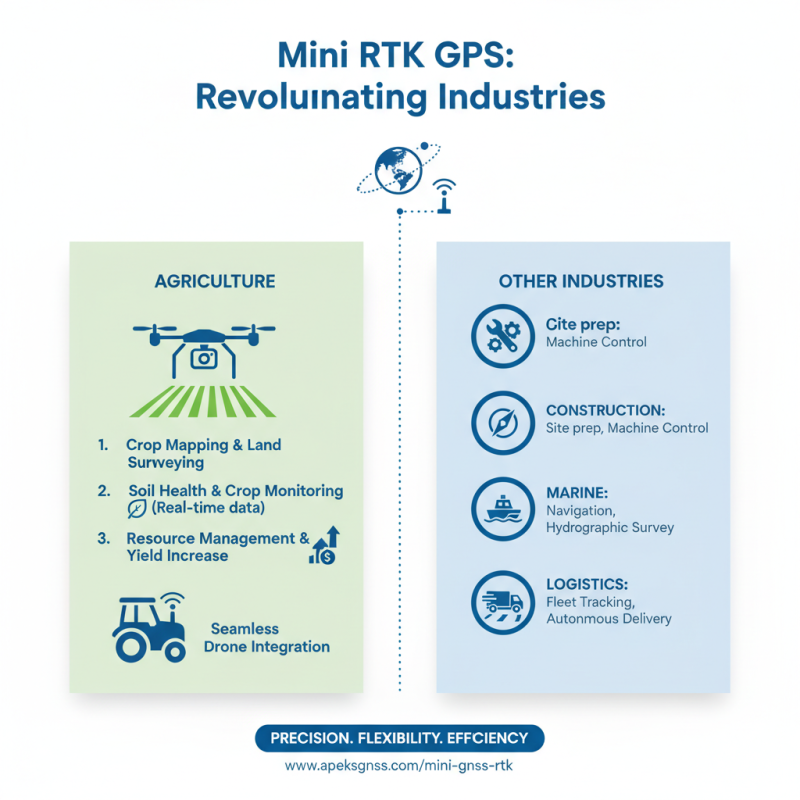
Mini RTK GPS technology is revolutionizing various industries with its precision and flexibility. In agriculture, it enhances accuracy in crop mapping and land surveying. Farmers can monitor soil health and crop conditions with real-time data. This leads to better resource management and increased yields. Mini Gnss Rtk systems often integrate seamlessly with drones, allowing aerial surveys of large fields.
In construction, these compact solutions improve site surveys and project coordination. They ensure that machinery operates within precise boundaries. However, issues like signal loss in urban environments may affect performance. Companies must assess their specific needs before choosing a solution. The potential for increased efficiency and savings is substantial but requires careful planning.
The logistics sector benefits from Mini RTK GPS as well. Real-time tracking of shipments enhances transparency. Companies can optimize delivery routes and reduce delays. Yet, it is important to consider the costs involved in implementing such systems. Balancing budget constraints with technological advancement remains a challenge for many businesses. These solutions offer exciting possibilities, but careful evaluation is crucial for successful integration.
Best Practices for Integrating Mini RTK GPS into Operations
Integrating Mini RTK GPS into operations can revolutionize global sourcing strategies. Accurate positioning enhances supply chain efficiency. According to industry reports, companies that employ advanced GPS solutions can reduce operational costs by up to 30%. This efficiency is crucial in today's competitive market.
Understanding the unique application of Mini Rtk Gnss technology is vital. These systems provide centimeter-level accuracy, making them suitable for various sectors, including agriculture, construction, and surveying. When implementing this technology, it is essential to assess current workflows. Identify areas where precision can make a difference.
Tip: Regular training sessions can ensure that staff members are fully equipped to utilize new GPS technologies. Continuous feedback loops will help address any operational challenges that arise.
While Mini Rtk Gnss offers myriad benefits, integration can be challenging. Data management and compatibility issues often occur. Organizations need to invest time into evaluating software and hardware integration. Overcoming these hurdles can lead to a morerobust operational framework.
Tip: Conduct thorough testing before full-scale deployment. Pilot programs can uncover potential issues and save resources in the long run.
Future Trends and Innovations in Mini RTK GPS Technology
Mini Real-Time Kinematic (RTK) GPS technology is rapidly evolving. Industry reports project the market will reach $3 billion by 2025. This growth reflects the increasing demand for precision in various sectors such as agriculture, construction, and mapping. The innovations in miniaturization have made RTK solutions more accessible and efficient.
One of the key trends is integration with IoT devices. This allows for real-time data sharing, enhancing the capabilities of current applications. For instance, the use of technologies like the Leica Mini Prism offers improved accuracy in positioning. These advancements facilitate robust data collection for better analytics. Yet, operational challenges remain, such as signal interference in urban environments. Addressing these issues is essential for maximizing the benefits.
Tips: When selecting mini RTK GPS solutions, consider the environment where it will be used. Urban areas may require specific adaptations. Also, ensure that the system supports updates and enhancements in technology. Continuous improvements drive success in this sector and can make a considerable difference in project outcomes. As the technology continues to innovate, staying informed about the latest advancements is crucial.
Innovative Surveying Accessories: Enhancing Accuracy with the 2.5m Carbon Fiber GNSS Pole Featuring Twist Lock Technology
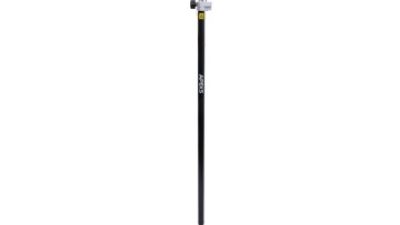
In the world of surveying, precision is paramount, and innovative tools play a critical role in enhancing both accuracy and efficiency. One notable advancement is the introduction of the 2.5m carbon fiber GNSS pole featuring twist lock technology. This cutting-edge accessory significantly improves the user experience by ensuring rapid setup and stability in demanding environments. The lightweight nature of carbon fiber contributes to easier handling without sacrificing strength, making it an ideal choice for professionals who require reliable performance during field surveys.
Research indicates that accuracy irregularities in surveying can lead to costly errors, with some estimates suggesting that incorrect measurements can increase project costs by up to 20%. Utilizing tools like the 2.5m GNSS pole, equipped with twist lock technology, mitigates such risks. This technology not only facilitates quick adjustments but also ensures a secure fit, crucial when working with sensitive GNSS equipment. A report by the International Federation of Surveyors highlights that advancements in surveying technologies can reduce time spent on-site by up to 30%, allowing professionals to allocate resources more effectively.
Furthermore, as the demand for high-precision surveying continues to rise across industries, the integration of innovative accessories remains essential. Employing the latest technologies not only advances operational accuracy but also supports sustainability goals by optimizing resource usage. By investing in high-quality surveying tools, practitioners can ultimately enhance their project outcomes and streamline their workflows, solidifying their competitive edge in an evolving market.
FAQS
: Mini RTK GPS technology offers high precision in location data, essential for tasks in various industries.
It provides centimeter-level accuracy, which is vital for reliable results in surveying, agriculture, and construction.
Satellite signal quality is crucial. Buildings and trees can block signals, impacting the system's accuracy.
Understanding the software capabilities and ensuring staff training can reduce errors and improve data interpretation.
Longer battery life supports use in remote areas, minimizing downtime for recharging during fieldwork.
An easy-to-use interface makes complex systems accessible, allowing diverse operators to work effectively with the technology.
No, prices vary. You often need to balance quality with cost to find what fits your specific requirements.
Reliable connectivity ensures consistent data transmission across multiple communication channels, crucial for accurate results.
Yes, staying updated on emerging technologies can refine procurement strategies and enhance operational efficiency.
Poor training and lack of user feedback could lead to misinterpretations and need for adjustments over time.
Conclusion
Mini RTK GPS technology has emerged as a pivotal tool in various industries, offering precise positioning solutions crucial for global sourcing needs. With key features such as centimeter-level accuracy, portability, and ease of integration, Mini RTK GPS solutions are designed to enhance operational efficiency. As organizations look to optimize their workflows, understanding the comparative advantages of different Mini RTK GPS models becomes essential.
The applications of Mini RTK GPS span across sectors such as agriculture, construction, and surveying, demonstrating its versatility. Adopting best practices for integration can maximize its benefits, while future trends suggest innovations that will further expand its capabilities. Overall, Mini RTK GPS technology is transforming how companies approach logistical challenges and site management, positioning them for success in an increasingly competitive landscape.